
There’s nothing quite like the feeling of water jets hitting your back after a long day—wall jet showers can turn a basic rinse into a spa-level experience. But before you install one, there are a few essential things you should know.
From installation to water pressure needs, here’s what I’ve learned after using several types of wall jet systems over the years.
What Are Wall Jet Showers?
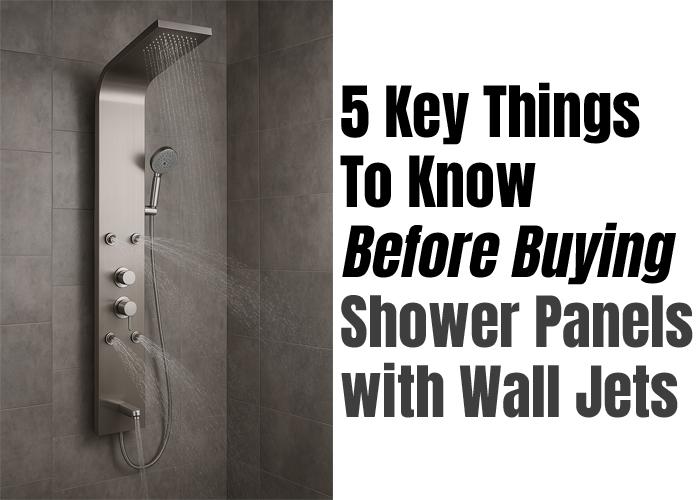
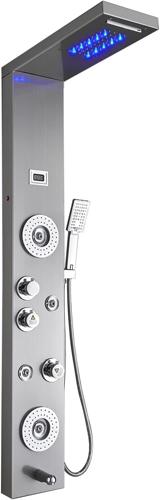
Wall jets are built-in or panel-mounted nozzles that spray horizontally at your body. They’re usually positioned at multiple heights—often mid-back and shoulder level—offering a full-body rinse that complements your main showerhead or rainfall unit.
Key Features To Look For
- Adjustable Spray Angle: So you can direct the jets exactly where you want them
- Individual Jet Control: Lets you turn on only the jets you want
- Thermostatic Valve Compatibility: Keeps water temperature steady
- Surface-Mounted Options: No wall plumbing work needed
- Anti-Clog Silicone Nozzles: Easier to clean in hard water areas
- Pressure-Balancing Design: Maintains a strong spray even with other jets on
Benefits of Wall Jet Showers
- Full-Body Spray Coverage: Great for muscle relaxation and sore spots
- Hands-Free Experience: Jets run on their own, so you don’t have to move much
- Customizable Water Flow: Use jets alone, or pair with overhead or handheld sprays
- Stylish Look: Modern and spa-like appearance upgrades the feel of any bathroom
Using body jets after a workout is a game-changer for muscle recovery and relaxation.
⚠️ Drawbacks To Consider
- Requires Good Water Pressure: Jets may underperform below 45 psi
- More Water Usage: Running multiple jets increases water demand
- Complex Installation for In-Wall Jets: May involve tearing out tile
- Limited Use in Small Showers: You need room to stand back from the spray
- Higher Upfront Cost: Especially for custom setups or thermostatic valves
Also see: Who Should NOT Install a Shower Panel in Their Bathroom
🛠️ Installation Tips
For Surface-Mounted Panels With Jets:
- No wall demolition required
- Install like a standard showerhead setup
- Mount the bracket, connect to shower arm, and seal edges with silicone
- Best option for renters or DIYers
For Built-In Wall Jets:
- Plan for plumbing layout changes
- Hire a licensed plumber and tile pro
- Add a diverter valve so you can switch between showerheads and jets
- Ensure proper waterproofing behind tile
Get Step-by-Step Installation Instructions Here
Pros and Cons Comparison
| Feature | Pros | Cons |
|---|---|---|
| Surface-Mount Shower Panel | Easy DIY, affordable | Bulkier than built-in |
| In-Wall Jets | Sleek look, permanent | Requires remodel and permits |
| Full Jet Control | Customizable spray | More knobs = more complexity |
| Fixed Spray Heads | Fewer parts, lower cost | Less flexible targeting |
| Thermostatic Mixing Valve | Constant temp | Adds to install cost |

Frequently Asked Questions
Q: How many jets do I need?
A: Two to four is ideal. Too many can lower pressure unless your system is upgraded.
Q: Do body jets use a lot of water?
A: Yes, especially when used with other spray functions. Look for water-saving valves or alternate use.
Q: Can I add jets to my existing shower?
A: Absolutely—use a surface-mounted panel with body jets and connect it to your shower arm.
Q: Will body jets work in a tub/shower combo?
A: They can, but make sure the panel or built-ins are rated for wet-wall installs and fit above the tub lip.
Trusted Resources for Research and Buying
- Best-Selling Ello & Allo Shower Panel: on Amazon
- Budget-Friendly Rovogo Shower Panels: on Amazon
- YouTube Channel: Got2Learn – Plumbing Tutorials: youtube.com/@Got2Learn
- TerryLove Forum – Real Installation Advice: terrylove.com/forums
Final Thought
Wall jet showers offer a luxurious upgrade that you’ll feel every day. Whether you go for a sleek surface-mount panel or a custom in-wall setup, just make sure your water pressure, plumbing, and space can support it. Done right, it’s one of the best ways to bring spa-style comfort into your bathroom routine.
