
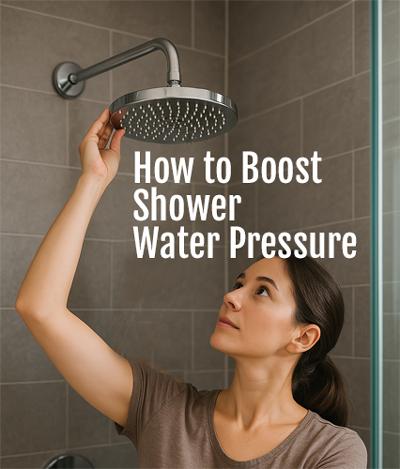
If your shower feels more like a drizzle than a downpour, you’re not alone. Low water pressure is one of the most common and frustrating issues in any bathroom.
The good news? You don’t need a total remodel to fix it. With a few smart tweaks and tools, you can make a huge difference—fast.
Quick Diagnosis Checklist
Before throwing money at the problem, figure out what’s really causing the pressure drop.
- ✅ Is water pressure low in just the shower, or the whole house?
- ✅ Do other fixtures on the same line have low flow?
- ✅ Is your showerhead clogged or outdated?
- ✅ Do you live in an area with hard water?
- ✅ Is there a flow restrictor in the fixture?
🔧 Step-by-Step Ways to Boost Shower Pressure
1. Clean or Replace the Showerhead
Hard water buildup can clog tiny nozzles.
DIY Tutorial:
- Remove the showerhead
- Soak in vinegar for 30–60 minutes
- Scrub with an old toothbrush
- Rinse and reattach
Pro Tip: Switch to a pressure-boosting model like the HO2ME High-Pressure Showerhead—you’ll feel the difference instantly.
2. Remove the Flow Restrictor
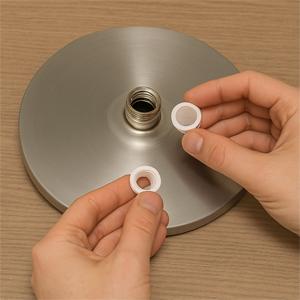
Many modern heads include restrictors to save water—but they can cut pressure dramatically.
Steps:
- Unscrew the showerhead
- Look for a small plastic disk inside (usually green or white)
- Use tweezers or a screwdriver to remove it
- Reattach and test
3. Check For Kinks or Narrow Pipes
A flexible hose with a sharp bend can cut flow. Also, older homes may have narrow supply lines.
Solution:
- Replace with a wider hose or updated piping if needed
- Make sure there’s no pinched line behind the wall
4. Install a Shower Pump
If your whole home has low pressure, especially in a gravity-fed system, this is a game-changer.
Best For:
Homes with consistently low pressure everywhere.
Downside:
Installation can be more involved and may require a plumber.
5. Boost the Main Water Pressure
Your pressure regulator may be set too low.
Steps:
- Find your home’s pressure regulator (near the main shutoff)
- Use a wrench to turn the screw clockwise slightly
- Test with a pressure gauge—aim for 50–70 psi
Don’t exceed 80 psi—this can damage plumbing and fixtures.
6. Upgrade to a High-Pressure Showerhead
Some are engineered specifically for low-pressure homes.
Top Picks:
7. Call Your Water Provider
If everything looks fine on your end, there could be a supply issue or unnoticed municipal restriction.
It’s rare—but if your whole block is affected, it’s worth checking.
Pros and Cons Comparison
| Fix | Pros | Cons |
|---|---|---|
| Cleaning Showerhead | Quick, cheap, easy | Won’t help if pressure is very low |
| Flow Restrictor Removal | Instant improvement | Slightly increases water usage |
| Pressure-Boosting Head | Affordable, simple install | Results vary by brand/model |
| Shower Pump | Major improvement in all areas | Higher cost, professional install |
| Regulator Adjustment | Custom pressure tuning | Risk if pressure set too high |
Frequently Asked Questions
Q: Will a new showerhead really fix my pressure problem?
A: In many cases, yes. Especially if your old one is clogged or poorly designed.
Q: Can removing a flow restrictor damage anything?
A: Not if you’re careful. Just know it may increase water consumption.
Q: How do I know my pressure rating?
A: Use a $10 pressure gauge on an outdoor hose bib or shower line—most attach like a garden hose.
Q: Is a shower pump loud?
A: Some are. Look for “quiet operation” or “low noise” models if that’s a concern.
Trusted Resources for Products & Help
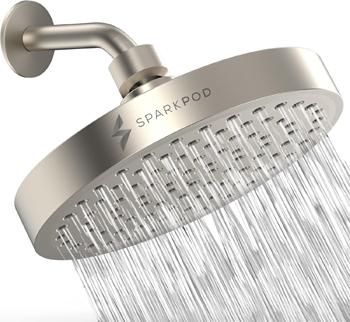
SparkPod Adjustable High-Pressure Shower Head
This rainshower head is designed specifically to maximize flow in homes with low water pressure, delivering a strong, consistent spray even in older plumbing systems. Its easy-clean nozzles prevent clogging, and the adjustable settings let you fine-tune the intensity to your comfort—making it a fast, budget-friendly upgrade.
This iconic high-pressure showerhead is a favorite among hotels and homeowners alike for its solid brass construction and powerful spray. Its adjustable Anystream technology lets you rotate between intense streams and gentle rain with a simple twist—perfect for low-pressure systems.
How to Check Water Pressure – Family Handyman
This practical step-by-step guide from Family Handyman walks you through testing your home’s water pressure using a simple gauge. It explains where to test, what readings mean, and how to adjust a pressure regulator if needed—great for DIYers wanting to troubleshoot before making upgrades.
DIY Forums for Plumbing Tips – Terry Love
The Terry Love plumbing forum is a goldmine of real-world advice from homeowners and professional plumbers alike. Whether you’re troubleshooting a specific issue or looking for installation guidance, the community offers tried-and-true solutions and insights that go way beyond what you’ll find in product manuals.
Final Thought
You don’t have to settle for weak, unsatisfying showers. With just a few tools and smart product choices, you can boost your water pressure without calling in a pro. Start with the easiest fix, test as you go, and you’ll feel the improvement with every rinse.
